

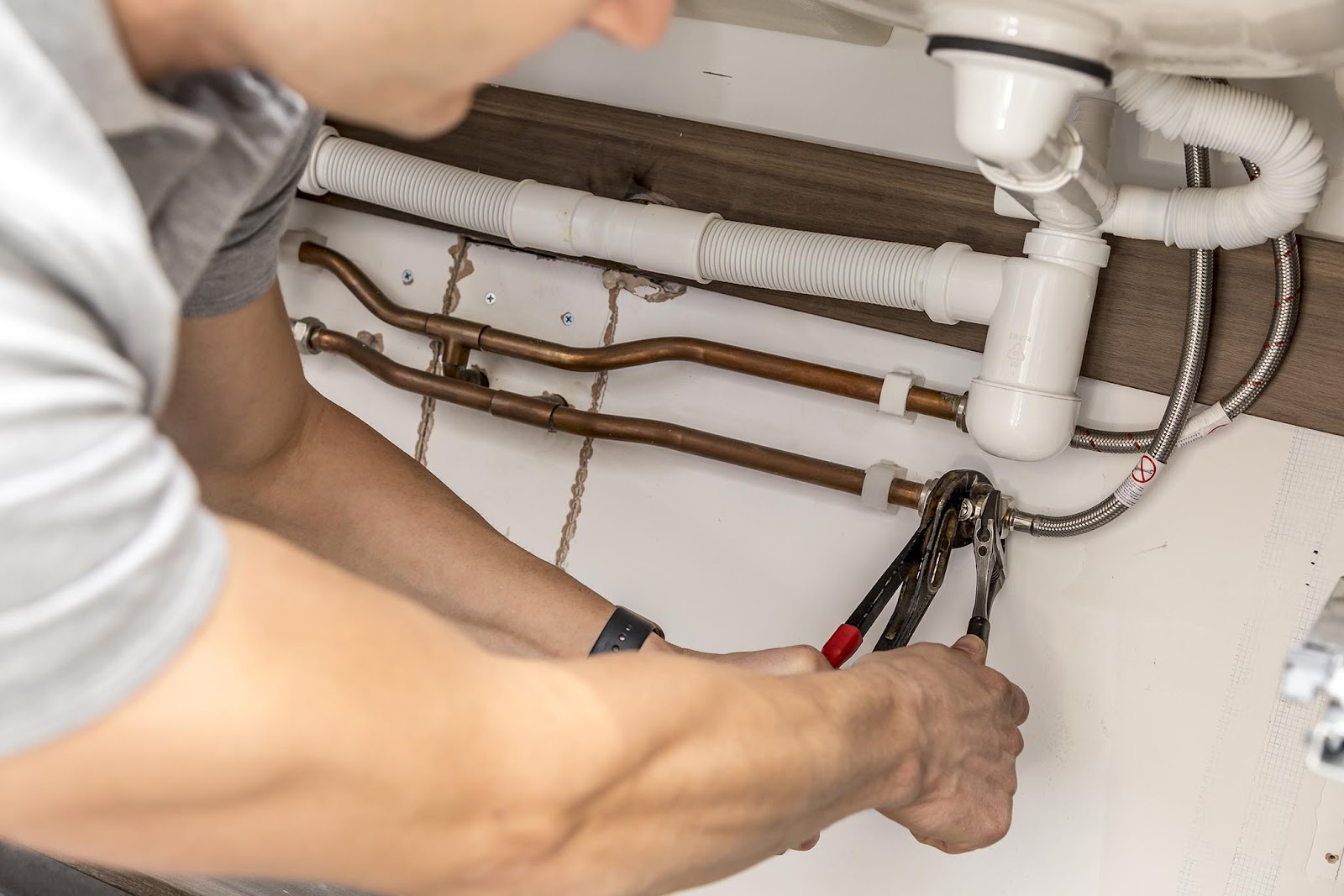
Whether you’re building new, remodeling a bathroom, or replacing a system that’s finally given out, plumbing installation is one of those projects where getting it right the first time matters more than almost anything else in the house. A mistake here doesn’t just mean a redo — it means water damage, mold, and repair bills that dwarf the original job.
This guide breaks down what plumbing installation actually involves, what tends to go wrong, and how to tell a solid installation from one that’s going to cause problems down the road.
What Does Plumbing Installation Actually Cover?
Plumbing installation refers to the process of setting up a home’s water supply lines, drain-waste-vent (DWV) system, fixtures, and connections — either from scratch in new construction or as part of a renovation, addition, or fixture replacement. This includes everything from running supply lines to a new sink, to installing a water heater, to rough-in plumbing for an entire bathroom addition.
It’s different from plumbing repair. Repair fixes something that already exists and has failed. Installation is building the system correctly from the ground up, which means every decision — pipe material, layout, venting, water pressure — has a much longer-lasting impact.
Why Proper Installation Matters More Than People Expect
A lot of homeowners treat plumbing installation as a checklist item during a renovation, something to get through so the “visible” work like tile and cabinets can happen. That’s backwards. Once walls close up or a slab gets poured over, the plumbing underneath becomes almost impossible to access without significant demolition.
I’ve seen plenty of situations where a rushed installation looked fine on day one, then showed problems eighteen months later — a slow leak behind drywall, a drain line with insufficient slope causing recurring clogs, or a water heater that was undersized for the household from the start. None of these show up on an inspection walkthrough. They show up in a water bill or a moldy baseboard months later.
Plumbing Installation Myths vs. Reality
Plumbing gets a lot of advice thrown around, some of it accurate and some of it outdated or just wrong. Here’s where the common claims actually land.
| Myth | Reality |
|---|---|
| “Any pipe material works the same.” | PEX, copper, and PVC each have different applications, lifespans, and cost profiles. Using the wrong material for a specific application can shorten the system’s life significantly. |
| “Bigger pipes always mean better water pressure.” | Pipe sizing has to match the fixture demand and supply pressure. Oversized pipes can actually reduce velocity and cause pressure problems, not fix them. |
| “DIY installation saves money without real risk.” | Incorrect venting or slope on drain lines often isn’t visible until a clog or sewer gas smell shows up, by which point walls or flooring may need to come back up. |
| “Water heaters are a plug-and-play swap.” | Sizing, venting requirements, and code compliance vary based on fuel type and household usage. An incorrectly sized unit runs out of hot water or wastes energy constantly. |
| “Once it’s installed, it doesn’t need attention for decades.” | Even a correctly installed system benefits from periodic inspection, especially around connections and shutoff valves that can degrade over time. |
| “Permits aren’t necessary for most installation work.” | Most jurisdictions require permits for new plumbing runs, water heater installation, and any work altering the DWV system. Skipping this creates real issues at resale. |
Where Installation Quality Shows Up Most
Not every part of a plumbing installation carries equal risk. Based on where problems tend to actually surface, these are the areas worth paying closest attention to:
Rough-in plumbing — This is the foundation of the entire system, run before walls close up. Errors here are the most expensive to fix later because they’re the hardest to access.
Water heater sizing and venting — An undersized unit means cold showers during peak use. Improper venting is a safety issue, not just a performance one.
Drain slope and venting — Drain lines need consistent slope to move waste properly. Get this wrong and the result is recurring clogs that no amount of drain cleaner will permanently fix.
Fixture connections — Supply line connections at sinks, toilets, and appliances are common failure points when fittings aren’t properly seated or the wrong connector type is used.
Shutoff valve placement — Easy access to shutoffs matters far more during an emergency than most homeowners think about until they need one.
Frequently Asked Questions
How long does a plumbing installation typically take? A single fixture installation can take a few hours, while a full bathroom rough-in or whole-home repipe usually takes several days, depending on the scope and whether walls or flooring need to be opened.
Do I need a permit for plumbing installation? In most areas, yes. Any new plumbing run, water heater installation, or change to the drain-waste-vent system typically requires a permit and inspection.
What’s the difference between PEX and copper piping? PEX is flexible, generally more affordable, and resistant to freezing damage, while copper is more rigid, has a long track record, and holds up well to high heat. The right choice depends on the specific application and local code requirements.
Can I install plumbing myself to save money? Basic fixture swaps are sometimes manageable, but anything involving new supply lines, drain slope, or venting carries real risk if done incorrectly, since problems often aren’t visible until months later.
How do I know if my water heater is the right size for my home? Sizing depends on household size, number of bathrooms, and peak usage times. An undersized unit runs out of hot water quickly, while an oversized one wastes energy unnecessarily.
Getting Installation Right the First Time
Plumbing installation is one of those projects where the quality of the work is completely invisible once it’s finished — until something goes wrong. The homes that avoid costly plumbing problems down the line are almost always the ones where the installation was done correctly from the start, with proper sizing, slope, and material choices for the specific application.
If you’re planning a plumbing installation project, from a single fixture to a full system, it’s worth getting it assessed and installed correctly the first time so you’re not dealing with the consequences later. O’Sheas Plumbing has handled installations across all types of homes and can walk you through exactly what your project needs, including full plumbing installation services tailored to your home’s specific setup.