

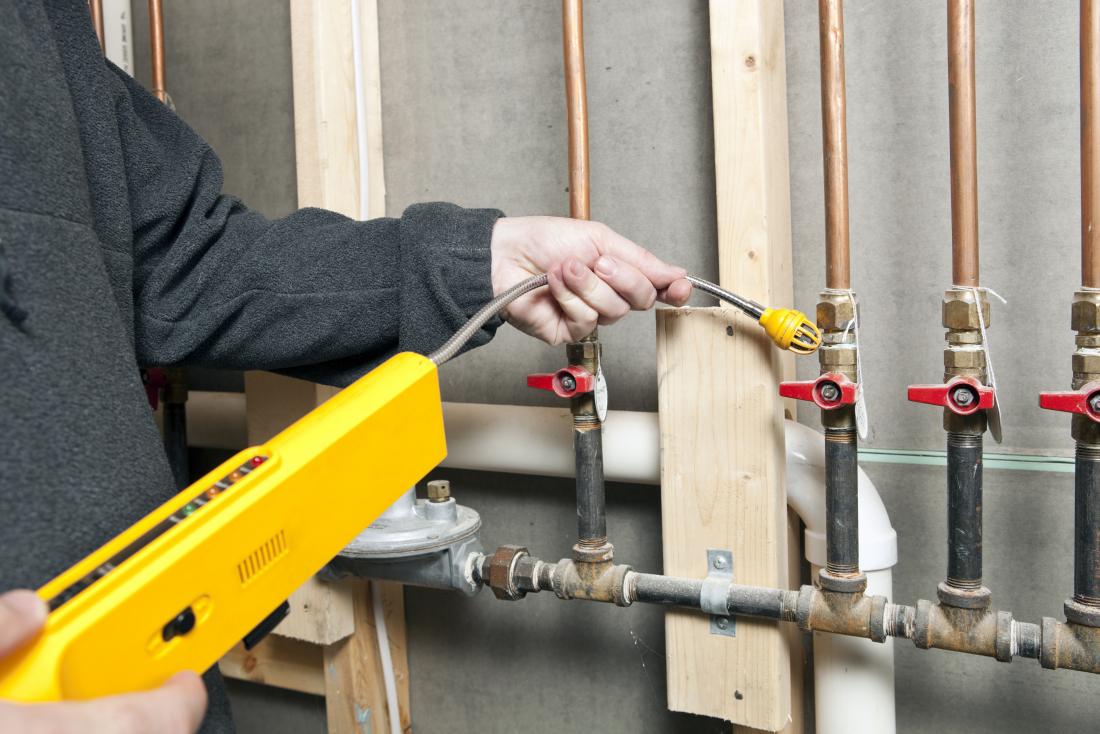
Gas piping is one of the few areas of home maintenance where a small mistake does not just cause inconvenience, it can create a genuine safety hazard for an entire household. Unlike a leaking faucet or a clogged drain, a poorly sealed gas connection can go unnoticed for weeks while quietly building risk. Understanding how gas piping works, when it needs attention, and why licensed installation matters can help homeowners make safer decisions about appliances, renovations, and general home maintenance.
What Gas Piping Actually Covers
Gas piping refers to the network of pipes that carry natural gas or propane from the utility connection or tank to the appliances that use it, including furnaces, water heaters, stoves, dryers, and outdoor features like fire pits or grills. Every fitting, valve, and connection point in that system has to be installed to exact specifications, since even a minor gap or improperly sealed joint can allow gas to escape.
This work typically falls into a few categories: new installation for a home addition or new appliance, repair of an existing line that is leaking or corroded, and inspection or maintenance to confirm an older system still meets current safety standards. Each of these requires a different approach, but all three demand the same level of precision, since gas systems do not offer much room for error.
DIY Gas Work Versus Licensed Professional Installation
Homeowners comfortable tackling other plumbing projects sometimes assume gas piping follows the same rules. It does not, and the comparison below shows why professional installation is treated so differently from general plumbing repairs.
| Factor | Licensed Professional | DIY Attempt |
|---|---|---|
| Code compliance | Verified against local and state codes | Often unaware of specific code requirements |
| Leak testing | Pressure-tested before system is used | Rarely tested with proper equipment |
| Permit and inspection | Handled as part of the job | Frequently skipped, creating liability |
| Insurance and liability | Licensed work is typically covered | Homeowner insurance may deny claims |
| Material and fitting selection | Matched to gas type and appliance load | Risk of incompatible or undersized fittings |
| Long-term safety | Documented, inspected installation | Unknown risk until a problem appears |
The permit and inspection gap is one of the most overlooked risks in the table above. Gas piping work in most jurisdictions legally requires a permit and a follow-up inspection, and skipping that step does not just risk safety, it can also void homeowners insurance coverage if something goes wrong later. A licensed plumber handles this process as a standard part of the job, which protects the homeowner from liability that a DIY attempt simply cannot cover.
Warning Signs an Existing Gas Line Needs Attention
Gas lines are built to last for decades, but they are not immune to wear, corrosion, or damage from nearby construction. Homeowners should treat any of the following as a reason to call a licensed plumber immediately rather than waiting to see if the problem resolves itself.
A sulfur or rotten egg smell near an appliance or along a wall is the most well-known warning sign, since utility companies add that scent specifically to make leaks detectable. A hissing sound near a gas line or appliance, even a faint one, should also be treated as urgent. Dead or discolored vegetation near an outdoor gas line, unusually high gas bills without a clear explanation, and appliances that produce a weak or irregular flame are all signs that something in the system is not performing correctly and needs a professional evaluation.
Why New Construction and Renovation Projects Need Careful Planning
Gas piping decisions made during new construction or a major renovation have long-term consequences that are difficult to correct later. Pipe sizing has to account for the total gas load of every appliance that will eventually connect to the system, including future additions like an outdoor kitchen or a second water heater. Undersizing a line during initial installation is a common and expensive mistake, since correcting it later often means opening walls or trenching that were already finished.
This is why gas piping should be planned early in any renovation or new build, ideally before walls are closed in or slab work is poured. A plumber experienced in gas piping installation can calculate total appliance load accurately and route lines in a way that accommodates future changes without requiring a full system rework down the line.
How Professional Gas Line Installation Actually Works
A properly executed gas piping job follows a consistent process regardless of the size of the project. It begins with a load calculation to determine pipe sizing based on every appliance the system needs to support, followed by careful route planning that avoids unnecessary bends, minimizes pressure loss, and keeps the line accessible for future maintenance.
Once installed, every connection is pressure tested to confirm there are no leaks before any appliance is connected or the system is put into use. This step is non-negotiable for licensed professionals, since it is the only reliable way to confirm a system is actually safe before it carries live gas. Finally, the work is inspected against local code requirements, giving homeowners documentation that the installation meets legal and safety standards.
Frequently Asked Questions
How often should gas lines be inspected? Most professionals recommend a full inspection every few years, or immediately after any renovation, appliance change, or suspected leak, even if no obvious warning signs are present.
Is propane gas piping different from natural gas piping? Yes. Propane operates at a different pressure than natural gas, which affects pipe sizing, fittings, and regulator selection, making it important to work with a plumber experienced in the specific fuel type used at the property.
Can gas piping be run underground? Yes, for outdoor appliances like fire pits or grills, though underground gas lines require specific burial depth, protective coating, and shutoff valve placement to meet code and remain safe long-term.
What should a homeowner do if they smell gas? Leave the area immediately, avoid using any switches or open flames, and contact both the gas utility and a licensed plumber from a safe distance rather than attempting to locate or fix the leak personally.
Treating Gas Work With the Seriousness It Deserves
Gas piping is one part of a home’s infrastructure where cutting corners is never worth the risk, whether that means skipping a permit, ignoring a warning sign, or attempting a repair without the right tools and testing equipment. The consequences of getting it wrong extend far beyond an inconvenient repair bill, which is exactly why licensed installation and regular inspection matter so much.
Homeowners who treat gas piping with the same seriousness as electrical work tend to avoid the costly, dangerous situations that come from delayed maintenance or DIY shortcuts. For anyone dealing with a suspected leak, planning a renovation, or simply overdue for an inspection, O’Sheas Plumbing provides the licensed expertise needed to keep a home’s gas system safe, code-compliant, and reliable for years to come.