

Water Heater Installation
Professional Water Heater Installation in Swannanoa
New, second and relocated water heaters installed to code, with the permit pulled for you.
Licensed for New Water Heater Installs
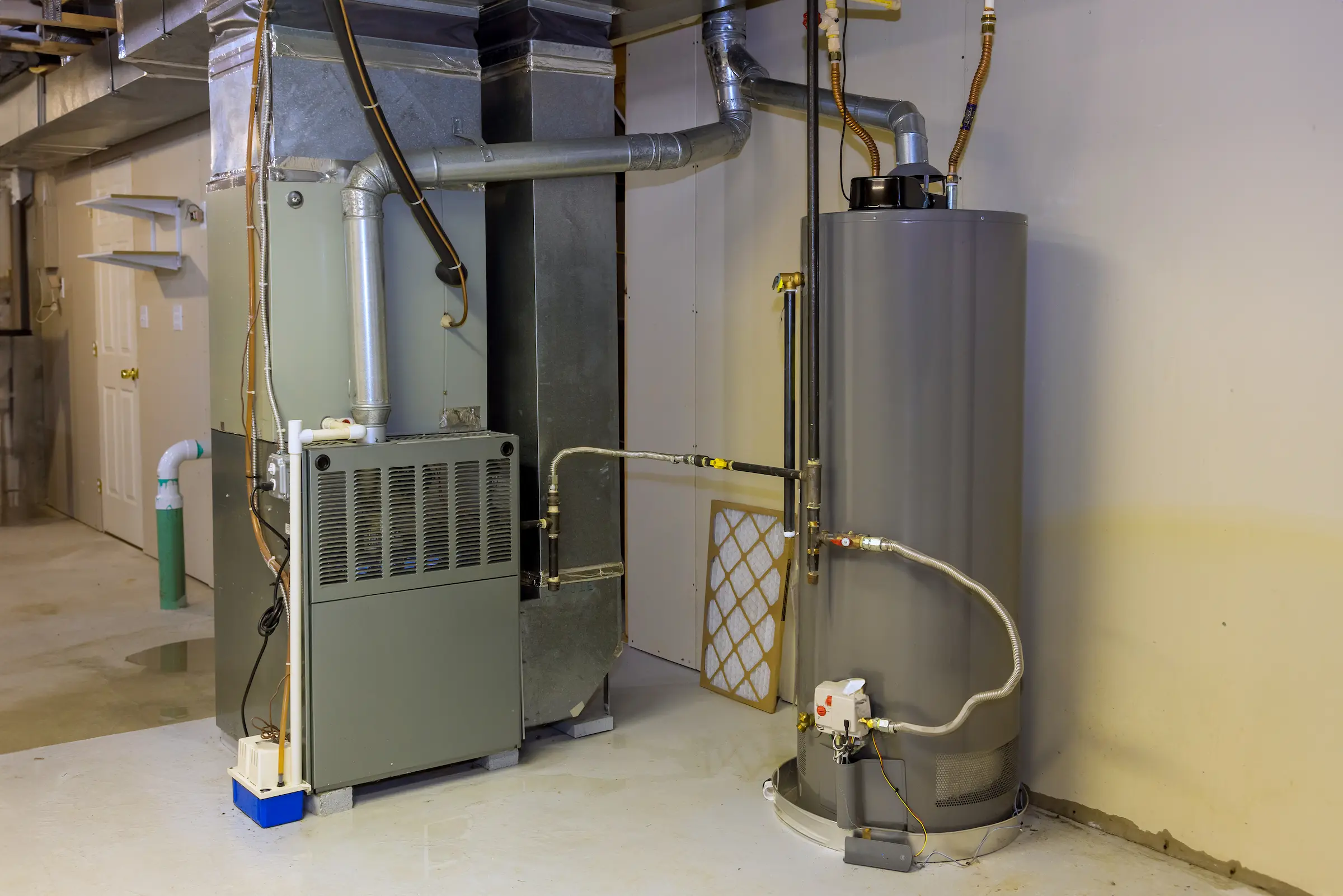
Water heater installation in Swannanoa means a first heater, a second one for an addition or a tank moved to a new spot. Ian O’Shea can take on all three because the state plumbing board lists him as a Plumbing Class I Contractor, license L.34576. North Carolina’s narrower water heater license only covers swapping a heater in the same spot, and new work needs more than that. As the owner, Ian is on site for every install. First he looks at where the heater will sit, how the fuel reaches it and where the exhaust and any discharge water will go. We install gas, propane and electric water heaters, and each fuel brings its own hookup.
Gas Water Heater Installation
A gas water heater installation is two jobs in one, the water side and the gas side. A heater in a new spot needs gas brought to it, either on a branch off the existing line or on a new run. The pipe gets sized for the heater’s input, and that gas line work falls under Ian’s NC plumbing license. Before the burner’s lit, the gas side gets four checks:
The draft hood on top of a standard tank draws in room air and sends exhaust up the B-vent. That’s a double-wall pipe that keeps rising to the roof or chimney. A heater in a closet also needs enough air around it to burn cleanly.
Electric and Propane Tank Options
Most homes pick an electric water heater or a propane water heater based on what the house already has. An electric tank has no burner and no flue, so it fits spots where a vent run would be hard to route. It does need its own circuit at the panel. A propane heater runs off the supply tank in your yard, and its gas control valve is made for propane. The line from the propane tank gets sized for the heater just as carefully as a natural gas line. Homes with no gas main nearby often run this way.
Sizing a New Water Heater
On a replacement, the old tank’s label gives you a starting point. A first install has no label to go by, so the size comes from the house. Ian counts bathrooms, people and the big draws, such as a soaking tub or two showers at once. Then he compares the heater’s first hour rating, the hot water it can deliver in one busy hour, with your household’s busiest hour. Fuel and the size of the burner or heating element change that rating, so two 50-gallon tanks can rate differently. An addition changes that math, because a new suite can push a 40-gallon tank past what it can deliver. Sometimes the fix is a 50-gallon tank in its place, and sometimes it’s a second heater near the new bathroom. If you’d prefer not to store hot water at all, tankless water heater installation is its own project.
New Builds and Additions Around Swannanoa
On a new house, the water heater gets chosen along with the rest of the build, so it can fit the house from day one. In Swannanoa, New Salem Heights was built to Energy Star guidelines, so a new heater there gets picked to keep the house that efficient. In newer homes, like some at Catawba Falls Preserve near Black Mountain, the heater question comes up when a basement gets finished. Ian then checks whether the original heater can carry the extra bathroom.
Low ground needs one more check. Buncombe County’s flood damage prevention ordinance says plumbing equipment in a mapped flood area has to stay dry up to the county’s flood line. So on a new home or a rebuild on low ground, Ian plans the heater’s spot above that line.
Moving or Adding a Water Heater
Moving a tank changes more than where it sits. A new spot can mean a new gas run, a new vent route and new water lines. The pan and the T&P line need a new drain as well. Pulling a heater out of a hall closet and setting it in a basement or garage can free up living space. An addition far from the existing heater is often better served by a second heater close by. If your old heater is simply worn out and staying put, water heater replacement covers that swap instead. When the heater needs work later, we’re still your hot water system supplier, and Ian handles the rest of the house as your plumber.
Venting, Expansion Tanks and Code
A new install is built to current code from the first fitting. Several code items are hard to fix once the space around the heater is finished, so they go in right the first time. The code items Ian checks on every new tank:
The pan and the discharge pipe both need a place to drain, which is simple to plan before the heater’s set. A first install or a relocated heater falls outside North Carolina’s replacement exemption, so it goes through permit and inspection, and Ian pulls the permit himself.
Plumbing Services in Swannanoa
Sarah picks up day or night. It helps Ian to know where the new heater’s going and which fuel the house has.
Service Areas
Finding a great plumber just got easy
Call or text (828) 348-5820, day or night.
Did you know?
Those flexible red and blue pipes in new walls go back to the 1930s. That’s when the first cross-linked plastic tube was made by blasting it with an electron beam. Today it’s called PEX, and the red and blue are just codes for hot and cold.
FAQs About Water Heater Installation in Swannanoa
If you’re still deciding where the heater goes, the garage, attic and venting answers are a good place to start. Don’t see what you’re looking for? Ask a question here.
Usually, yes. North Carolina’s permit exemption covers a like-for-like replacement in the same spot, and a first install isn’t a replacement. Buncombe County’s permit rules list adding plumbing, or changing its design, as work that needs a permit. Ian pulls the permit, and the finished work is inspected.
Yes, with one extra rule. Gasoline vapor is heavier than air and settles near the floor, so a gas heater’s burner has to sit up off a garage floor. Heaters listed as flammable vapor ignition resistant are the exception, and the label tells you which kind you have.
Close to where you use the most hot water is a good start, since shorter runs mean less waiting. The spot also needs a vent path, a place to drain the pan and the T&P line, and room to work on the heater later. A standard gas heater generally can’t sit in a bedroom or bathroom. Sealed direct-vent models are the usual way around that.
It can, but the attic has to work for it. A full tank is heavy, so the framing under it has to carry the load. There also needs to be a clear path to reach it for service. A leak up there lands on a ceiling, so the tank sits in a pan with its own drain line. The T&P discharge pipe needs a route down as well.
It’s a gas water heater with a fan that pushes exhaust out through plastic vent pipe, often straight through a side wall. A standard heater relies on hot exhaust rising up a B-vent or chimney. A power vent helps when the new spot has no chimney or straight path to the roof. The fan needs an electrical outlet nearby.
Not the way it comes out of the box. Propane runs at a different pressure than natural gas, so the gas control valve and burner orifice are made for one fuel or the other. Some models convert with the manufacturer’s kit, and others are sold for propane only. Ian confirms the fuel on the rating plate before anything’s connected.
It’s a fitting that joins two different metals, such as copper pipe and the steel nipples on top of a tank. An insulating liner sits between them. Without one, the two metals corrode each other wherever they touch in wet conditions. That shows up later as a crusty, seeping joint above the heater, so a new install gets one wherever copper meets steel.
Yes. An electric tank draws enough power that it gets a dedicated circuit with a breaker sized for its heating elements. If the new spot doesn’t have one, an electrician runs it before the heater goes in. Ian handles the plumbing side and reads the heater’s rating plate so the circuit and heater match.
Always ready for tough problems

Do something nice for your pipes
Quick Links
Services
Please Review Us
We sure could use your help letting Swannanoa know how good we are.
Copyright © 2026 O’Sheas Plumbing · Ian O’Shea, Licensed Plumber NC Plumbing Class I Contractor L.34576 · 150 Old Lytle Cove Rd, Swannanoa, NC 28778